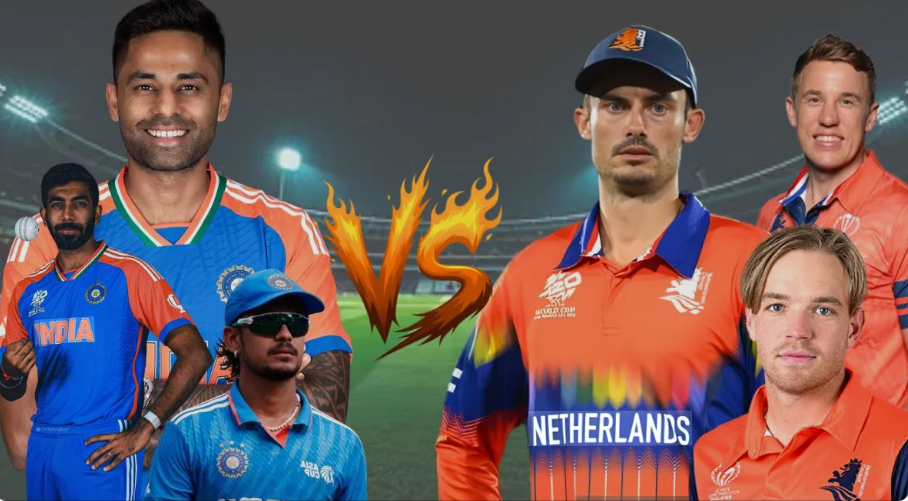
Cricket matches between these two teams have always carried a unique mix of dominance, determination, and learning experiences. One side entered the rivalry as a global powerhouse filled with legendary batters and world class bowlers, while the other continued fighting to prove its value on the international stage. Over the years, their encounters in ICC tournaments created memorable moments for fans across the world. From disciplined bowling spells to aggressive batting performances, every match delivered exciting action and valuable lessons. The rivalry also highlighted how associate nations can challenge stronger opponents with fearless cricket, smart tactics, and relentless energy under pressure situations.
Recent Matches Table
Date
Format
Venue
Winner
Margin
India Score
Netherlands Score
February 18, 2026
T20I
Ahmedabad
India
17 runs
193/6
176/7
November 12, 2023
ODI
Bengaluru
India
160 runs
410/4
250 all out
October 27, 2022
T20I
Sydney
India
56 runs
179/2
123/9
March 9, 2011
ODI
New Delhi
India
5 wickets
191/5
189 all out
February 12, 2003
ODI
Paarl
India
63 runs
204 all out
136 all out
Matches Played
5
India Wins
5
Netherlands Wins
0
Ties/No Result
Team Statistics Summary Table
Format
Total Matches
Won by India
Won by Netherlands
Highest India Innings
Highest Netherlands Innings
Lowest India Innings
ODI
3
3
0
410/4
250
204
T20I
2
2
0
193/6
176/7
179/2
Overall
5
5
0
410/4
250
179/2
Batting First
4
4
0
410/4
176/7
179/2
Chasing
1
1
0
191/5
250
191/5
Neutral Venues
2
2
0
204
136
179/2
Individual Batting Records Table
Batsman
Team
Matches
Innings
Total Runs
Highest Score
Batting Average
Shreyas Iyer
India
1
1
128
128
128.00
Rohit Sharma
India
3
3
114
61
57.00
Virat Kohli
India
3
3
113
62
56.50
KL Rahul
India
1
1
102
102
102.00
Sachin Tendulkar
India
2
2
79
52
39.50
Shivam Dube
India
1
1
66
66
66.00
Individual Bowling Records Table
Bowler
Team
Matches
Overs
Runs Conceded
Wickets Taken
Best Bowling
Javagal Srinath
India
1
9.1
30
4
4/30
Tim de Leede
Netherlands
1
9.3
35
4
4/35
Varun Chakaravarthy
India
1
3.0
14
3
3/14
Logan van Beek
Netherlands
2
14.0
163
3
3/56
Yuvraj Singh
India
2
17.0
75
4
2/43
Anil Kumble
India
1
10.0
25
4
4/25
When India First Faced the Fearless Dutch Side
The first meeting between these two sides created curiosity among cricket fans across the world. One team arrived with massive international experience while the other entered with fearless energy and nothing to lose. The Dutch players focused heavily on discipline, sharp fielding, and patient bowling plans. India, however, relied on batting depth and calm match control to dominate pressure situations. Fans were surprised by the fighting spirit shown by the European side during important overs. The match also helped associate nations gain respect on the international stage. Several young cricketers used that encounter as motivation to believe smaller teams could challenge established powers. Even though the result favored the stronger side, the performance from both teams created memorable moments. The game also highlighted the growing popularity of world tournaments where different cricket cultures came together. That first clash became the beginning of a fascinating journey filled with learning experiences, tactical experiments, emotional moments, and impressive individual performances from both dressing rooms across different ICC events.
Match
Venue
Winner
Top Batter
Best Bowler
ODI Clash
Paarl
India
Tendulkar
Zaheer Khan
World Event
South Africa
India
Dravid
Agarkar
Group Match
ICC Tournament
India
Ganguly
Srinath
International Fixture
Neutral Venue
India
Sehwag
Kumble
The 2003 World Cup Clash That Introduced the Rivalry to Global Fans
The 2003 tournament encounter played a huge role in bringing attention to this contest. Millions of viewers watched the match because world events always create extra pressure and excitement. India entered the game carrying expectations from passionate supporters, while the Dutch side carried determination and fearless ambition. Early wickets increased tension in the stadium, and every boundary received loud reactions from fans. The bowling attack from the stronger side used accuracy and swing to restrict scoring opportunities. Meanwhile, the Dutch players showed patience and bravery against world class bowlers. Their fielding standards impressed commentators throughout the contest. Batters from both sides faced difficult conditions, making every run valuable during key stages. The match also revealed how tactical planning matters in high pressure tournaments. Captains constantly adjusted field placements and bowling changes to control momentum. Even years later, supporters still remember the atmosphere, emotional intensity, and learning experiences that came from that memorable World Cup battle between two completely different cricketing cultures.
Tournament
Result
Highest Score
Key Partnership
Bowling Figures
World Cup 2003
India Won
Tendulkar 52
Dravid and Yuvraj
Zaheer 4 Wickets
Group Stage
Competitive Match
Klaasen 30+
Middle Order Stand
Agarkar Spell
ICC Event
India Dominated
Ganguly Runs
Opening Partnership
Srinath Control
International Stage
Memorable Contest
Useful Cameos
Late Recovery
Spin Pressure
Netherlands Learning Fast Against a Cricket Giant
Every meeting against a major cricket nation became an important learning opportunity for the Dutch side. Coaches and senior players studied batting patterns, bowling tactics, and field placements carefully after every game. Facing world class fast bowlers improved the confidence of younger batters, while bowling against experienced Indian stars tested patience and discipline. Over time, the Netherlands side became smarter in rotating strike and controlling pressure overs. Their fielding standards often stood out because of athletic commitment and sharp catching abilities. Indian players also respected the determination shown by their opponents, especially during difficult phases of matches. Fans appreciated how the underdog team continued fighting despite scoreboard pressure. Several matches included moments where disciplined bowling briefly slowed powerful batting lineups. These improvements showed that international exposure was helping the associate nation grow steadily. The rivalry slowly transformed from a one sided contest into an educational cricket journey where tactical awareness, confidence, and competitive spirit developed with every new ICC tournament encounter between the two teams.
Aspect
Netherlands Strength
India Strength
Match Impact
Result
Batting
Patience
Aggression
Balanced Contest
India Edge
Bowling
Accuracy
Variety
Pressure Overs
India Controlled
Fielding
Athleticism
Safe Hands
Energy Increase
Competitive
Captaincy
Smart Changes
Experience
Tactical Battle
Memorable
India’s Batting Firepower Against Netherlands Bowling Discipline
One of the biggest talking points in these matches has always been the battle between attacking batting and disciplined bowling. India regularly entered contests with explosive top order players capable of changing momentum within a few overs. The Dutch bowlers, however, focused on line, length, and slower deliveries to limit scoring opportunities. During powerplays, aggressive stroke play often forced defensive field settings. At the same time, disciplined bowling partnerships occasionally slowed scoring rates and created tension among supporters. Batters targeted gaps through covers and midwicket while bowlers searched for movement and bounce to force mistakes. Several overs completely shifted momentum because of quick wickets or sudden boundary attacks. Fans especially enjoyed watching younger bowlers challenge experienced batters with fearless plans. Tactical battles between spin bowling and attacking middle order players also created exciting moments. Over the years, this contest became a clear example of how patience, planning, and adaptability are essential in international cricket, regardless of rankings or reputation before the match begins.
Batting Star
Bowling Threat
Important Shot
Match Situation
Momentum Shift
Rohit Sharma
Van Meekeren
Pull Shot
Powerplay
India Attack
Virat Kohli
Klaassen
Cover Drive
Chase Situation
Stable Innings
Rahul
Left Arm Pace
Sweep Shot
Middle Overs
Run Flow
Dutch Pacers
Indian Top Order
Straight Drive
Pressure Overs
Tactical Battle
Dutch Players Who Refused to Back Down Against India
Several Dutch cricketers earned respect worldwide because of their fearless attitude in difficult situations. They never allowed the pressure of facing cricket superstars to affect their commitment on the field. Batters showed courage against express pace, while bowlers attacked stumps instead of bowling defensively. Their body language reflected confidence and determination throughout important tournament games. A few partnerships frustrated Indian bowlers and forced tactical adjustments from the captain. Fans admired those fighting knocks because they represented belief and hard work rather than fear. Fielders celebrated every wicket passionately, which added emotion and energy to the atmosphere. Even when the scoreboard looked challenging, the players continued diving, sprinting, and competing until the final ball. Such performances inspired many associate nation cricketers around the world. Coaches often used these matches as examples of fighting spirit and discipline. The rivalry became memorable not only because of victories and defeats but also because smaller names created unforgettable moments against some of the biggest stars in world cricket history.
Player
Role
Contribution
Memorable Moment
Match Effect
Cooper
Batter
Fighting Runs
Boundary Finish
Crowd Reaction
Van Beek
Bowler
Early Wicket
Swing Spell
Pressure Build
Edwards
Captain
Smart Leadership
Bowling Rotation
Tactical Control
Ackermann
All Rounder
Useful Partnership
Calm Batting
Stability
Virat Kohli, Rohit Sharma and the Era of Complete Dominance
As modern cricket evolved, experienced stars began controlling these contests with remarkable consistency. Rohit Sharma used timing and placement beautifully during opening partnerships, while Virat Kohli mastered pressure chases with calm decision making. Their understanding of match situations often removed pressure before the middle overs arrived. Bowlers supported the batting lineup with disciplined spells and attacking field settings. The Dutch side still fought hard, but India’s experience in major tournaments became the biggest difference. Fans watched breathtaking stroke play, elegant cover drives, and powerful pull shots during several memorable innings. Captains used aggressive tactics because confidence remained high throughout the contests. Bowling attacks also adapted quickly according to pitch conditions and batter weaknesses. Even during dominant victories, the associate nation displayed sportsmanship and determination. These matches became valuable learning experiences for younger international players watching from around the cricket world. The rivalry entered a new era where elite consistency, tactical maturity, and world class performances shaped the story of every major tournament meeting.
Star Player
Key Skill
Major Performance
Opposition Response
Match Result
Rohit Sharma
Fast Starts
Quick Fifty
Defensive Fields
India Won
Virat Kohli
Chasing Ability
Match Winning Runs
Tight Bowling
India Controlled
Bumrah
Pace Attack
Early Breakthrough
Defensive Batting
Pressure Created
Jadeja
All Round Skills
Crucial Overs
Rotation Attempts
Tactical Success
Tactical Battles That Changed Every Match Scenario
Tactics often played a bigger role than raw talent during many important moments between these sides. Captains carefully studied conditions before selecting bowling combinations and batting orders. Spin bowlers were introduced strategically during middle overs to slow scoring and create wicket opportunities. Pace bowlers used yorkers and slower balls to control the death overs. Batters responded with sweep shots, strike rotation, and calculated risks to keep scoreboards moving. Field placements constantly changed depending on partnerships and match pressure. Coaches analyzed opposition weaknesses through previous tournament footage and adjusted plans accordingly. Several contests included moments where one tactical decision completely changed momentum. Fans may remember boundaries and wickets, but cricket experts often focused on captaincy decisions and bowling changes. These tactical battles added depth to the rivalry and made every encounter more competitive than expected. The growing strategic awareness from both sides proved that international cricket depends not only on talent but also on preparation, patience, and intelligent decision making under pressure.
Tactical Move
Team Benefit
Match Situation
Result Impact
Crowd Reaction
Early Spin Attack
Controlled Runs
Middle Overs
Wicket Pressure
Loud Cheers
Aggressive Powerplay
Fast Scoring
Opening Overs
Momentum Gain
Excitement
Defensive Fielding
Boundary Prevention
Death Overs
Slower Chase
Tense Atmosphere
Bowling Rotation
Batter Confusion
Partnership Phase
Breakthrough
Energy Rise
Conclusion
This rivalry may not be the oldest in international cricket, but it has still produced several memorable performances and tactical battles. Every encounter reflected the difference in experience while also showing the courage and growth of emerging cricket nations. Fans witnessed brilliant batting displays, disciplined bowling spells, and emotional moments during important ICC tournaments. These matches helped strengthen global cricket by bringing different styles and cultures together on one field. As future tournaments approach, supporters will continue expecting competitive cricket, rising young stars, and unforgettable moments whenever these two teams meet again on the international stage.