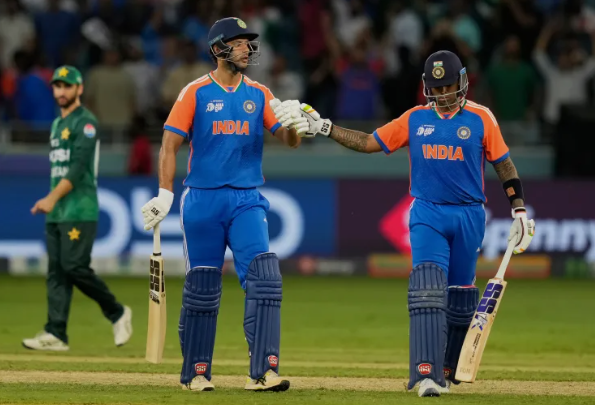
The rivalry between the India National Cricket Team and Pakistan National Cricket Team is one of the biggest sporting contests in the world. Every match brings intense pressure, emotional fans, unforgettable performances, and dramatic finishes. From historic Test matches to thrilling World Cup clashes, this rivalry has produced legendary moments that cricket lovers still discuss decades later. Great players like Sachin Tendulkar, Virat Kohli, Wasim Akram, and Babar Azam have carried the expectations of millions. Every scorecard tells a story of pressure, pride, aggression, and cricketing excellence that continues to shape the modern game.
Here are all five requested tables presented in plain text format without any serial numbers, web links, website addresses, icons, or special symbol characters.
Yadav utilizes his sweeping ability to counter Khan’s spin variations. Khan counters by bowling a wider, flatter defensive line.
Calculative Chaser vs Strike Pacer
Tilak Varma (Composed Middle-Order Finisher)
Haris Rauf (High-pace Express Bowler)
Varma relies on gaps and pacifying high-speed lengths during run chases. Rauf targets the stumps using aggressive shorter deliveries.
Opening Defense vs Tactical Spin
Ishan Kishan (Attacking Wicketkeeper-Batter)
Abrar Ahmed (Tactical Mystery Spinner)
Ahmed attempts to restrict Kishan’s early boundary-hitting with hidden variations. Kishan prefers targeting the straight boundary.
Marquee Pacer vs Anchor General
Jasprit Bumrah (Elite Death and Powerplay Specialist)
Babar Azam (Technically Compact Anchor)
Bumrah targets Azam with sharp, precise incoming deliveries. Azam counters using back-foot defense and steady punch shots.
Spin Threat vs Counter-Attacker
Kuldeep Yadav (Premier Left-arm Wrist Spinner)
Salman Ali Agha (Middle-order Captain and Batter)
Yadav attempts to deceive Salman through through-the-air flight. Salman uses a dynamic sweep strategy to disrupt Yadav’s regular rhythm.
When Cricket Became More Than a Game
The rivalry between the India National Cricket Team and Pakistan National Cricket Team has always been more emotional than ordinary cricket. Every match carries political history, national pride, and massive fan pressure. From packed stadiums in Karachi to loud crowds in Mumbai, the atmosphere often feels like a final even during league games. Early Test matches were cautious and tactical, but the rivalry soon became aggressive with fast bowlers, sledging, and dramatic finishes. Television ratings exploded whenever these teams met, turning the contest into cricket’s biggest event. Legends on both sides became national heroes after strong performances. Fans still remember unforgettable moments where pressure, skill, and emotion combined to create some of the greatest matches in cricket history.
Season
Score
Winning Team
Key Performance
Historic Moment
1952
India 372 vs Pakistan 150
India
Lala Amarnath bowling spell
First Test rivalry win
1986
Pakistan 245 vs India 244
Pakistan
Javed Miandad 116
Last-ball six in Sharjah
2003
India 276 vs Pakistan 273
India
Sachin Tendulkar 98
World Cup thriller
2022
India 160 vs Pakistan 159
India
Virat Kohli 82
Melbourne classic finish
Sharjah Nights and Desert Storm Pressure
Sharjah became the heart of India vs Pakistan cricket during the 1980s and 1990s. The desert venue hosted intense ODI battles filled with pressure, noise, and unforgettable drama. Fans from both countries packed the stadium and created an atmosphere unlike any other cricket ground. Javed Miandad became a villain for Indian fans after his famous last-ball six in 1986, while Indian supporters celebrated magical batting performances from Sachin Tendulkar in later years. Fast bowlers attacked aggressively, spinners controlled tense middle overs, and every run mattered. Sharjah matches often ended in thrilling finishes where momentum shifted every few overs. These contests transformed the rivalry from competitive cricket into a global sporting spectacle watched by millions across the world.
Season
Score
Winning Team
Key Performance
Historic Moment
1986
Pakistan 245 vs India 244
Pakistan
Miandad 116
Final-ball six
1989
India 212 vs Pakistan 214
Pakistan
Wasim Akram 4 wickets
Pace dominance
1996
India 305 vs Pakistan 248
India
Tendulkar 118
Batting masterclass
1998
India 251 vs Pakistan 250
India
Azharuddin captaincy
Close chase victory
Sachin vs Shoaib and the Battle of Superstars
One of cricket’s greatest individual rivalries came when Sachin Tendulkar faced the extreme pace of Shoaib Akhtar. Fans waited eagerly for every delivery because the contest represented technique against raw speed. Shoaib bowled aggressively with short balls and yorkers, while Sachin countered with fearless stroke play. Their most memorable clash came during the 2003 World Cup when Sachin smashed Shoaib over point for six in one of cricket’s most iconic shots. Television audiences across Asia reached massive numbers during this era. Pressure was intense because one mistake could decide the entire match. The rivalry also featured stars like Sehwag, Inzamam, Dravid, and Younis Khan, making every India vs Pakistan encounter a battle filled with superstar performances.
Season
Score
Winning Team
Key Performance
Historic Moment
1999
Pakistan 279 vs India 180
Pakistan
Shoaib Akhtar pace spell
Yorker to Dravid
2003
India 276 vs Pakistan 273
India
Sachin 98 off 75
Upper cut six
2004
India 349 vs Pakistan 344
India
Sehwag aggressive start
Historic ODI chase
2005
Pakistan 273 vs India 261
Pakistan
Inzamam unbeaten knock
Tactical batting finish
World Cup Matches That Changed Cricket History
World Cup clashes between India and Pakistan carry unmatched emotional pressure. Players often describe these matches as tougher than finals because expectations from fans are enormous. The 1992 World Cup meeting started the ICC rivalry trend, while the 1996 Bengaluru quarterfinal became famous for crowd energy and aggressive cricket. In 2003, India chased Pakistan’s strong total after a stunning innings from Sachin Tendulkar. The 2007 T20 World Cup final introduced a new era of fast-paced rivalry, with India winning the inaugural title. In 2011, India defeated Pakistan in the semifinal before lifting the World Cup trophy at home. More recently, Virat Kohli’s unforgettable innings in Melbourne during the 2022 T20 World Cup created another timeless chapter in this legendary cricket rivalry.
Season
Score
Winning Team
Key Performance
Historic Moment
1992 WC
India 216 vs Pakistan 173
India
Kapil Dev all-round show
First WC win
1996 WC
India 287 vs Pakistan 248
India
Jadeja late assault
Bengaluru quarterfinal
2007 T20 WC
India 157 vs Pakistan 152
India
Irfan Pathan spell
First T20 title
2011 WC
India 260 vs Pakistan 231
India
Sachin 85 runs
Semifinal pressure
Virat Kohli, Babar Azam and the Modern Rivalry Era
Modern India vs Pakistan matches are driven by T20 cricket, social media pressure, and global attention. Virat Kohli and Babar Azam became the faces of the new generation rivalry with their consistency and calm leadership. Pakistan’s pace attack, led by Shaheen Afridi, challenged India’s strong batting lineup in high-pressure tournaments. Meanwhile, Kohli delivered one of the greatest T20 innings ever during the 2022 World Cup in Melbourne. Fitness standards, strike rates, and tactical analytics now shape modern contests. Fans debate every performance online, increasing pressure on players before and after matches. Despite fewer bilateral series, every ICC clash still feels massive because emotions, pride, and history continue to fuel this unforgettable rivalry.
Season
Score
Winning Team
Key Performance
Historic Moment
2021 T20 WC
Pakistan 152 vs India 151
Pakistan
Shaheen Afridi spell
Pakistan WC breakthrough
2022 T20 WC
India 160 vs Pakistan 159
India
Kohli 82 unbeaten
Melbourne thriller
2023 Asia Cup
India 356 vs Pakistan 128
India
Kohli and Rahul centuries
Dominant victory
2024 T20 WC
India 119 vs Pakistan 113
India
Bumrah bowling spell
Low-scoring classic
Conclusion
India vs Pakistan cricket is far more than a normal sporting rivalry because it combines history, passion, pressure, and unforgettable drama. Over the decades, both teams have produced iconic matches filled with brilliant batting, fearless fast bowling, emotional celebrations, and heartbreaking defeats. Fans from both nations continue to relive legendary moments like Sharjah thrillers, World Cup classics, and last-over finishes. The rivalry has also created some of cricket’s greatest heroes and most memorable scorecards. Even in the modern T20 era, every contest still captures worldwide attention. As new generations of players step onto the field, the India and Pakistan rivalry continues to grow, adding fresh chapters to cricket’s most emotional and historic battle.